Sleeping Without a Pillow: Is It Actually Better for You?
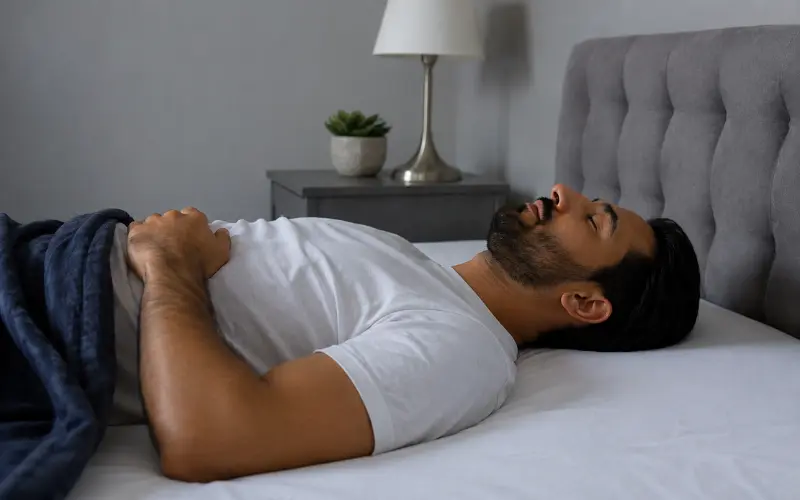
Some people claim that sleeping without a pillow helped them with their morning stiffness. Others have tried it once and awoke feeling as if they had slept on a rock. Both are true, and the only thing that will make the difference is one thing: the sleeping position.
Pillowless sleeping can help maintain the neutral position of the spine for stomach sleepers, but it typically causes neck strain for side sleepers and most back sleepers. In this article, we will study the pros and cons and how you can try it for yourself without ruining a week of sleep.
Is It Better to Sleep Without a Pillow?
However, sleeping without a pillow is only beneficial for most stomach sleepers, as it decreases the backward extension of the neck that a pillow causes. Side and back sleepers should avoid sleeping without a pillow, as this takes away the necessary head support, misaligns the cervical spine, and can lead to neck pain. The trend does not determine your position; your position determines the movement.
Here is the quick verdict for each position:
|
Sleeping Position |
Pillowless Verdict |
Why |
|---|---|---|
|
Stomach sleeping |
Often helpful |
Keeps the head lower, easing pressure on the cervical area |
|
Back sleeping |
Rarely helpful |
The head tips back, flattening the natural spinal curve |
|
Side sleeping |
Not recommended |
Leaves a large gap between neck and mattress, bending the neck downward |
|
Combination sleepers |
Risky |
You can’t control alignment while switching positions overnight |
A straight answer about the evidence: There are virtually no clinical trials of pillowless sleep. The majority of claims are anecdotal and from basic sleep science on spinal alignment. Treat it as an experiment, rather than a rule!
What Are the Benefits of Sleeping Without a Pillow?
There are also some advantages of sleeping without a pillow: It helps stomach sleepers ensure proper alignment of the head and neck while they are sleeping; it can help prevent compression of the face, which may prevent sleep wrinkles; and it can lessen the friction of hair on the pillow throughout the night. A select few individuals enjoy these benefits, and the alignment benefit rests on the flimsiest evidence compared to the skin and hair benefits.
Better Neck Alignment for Stomach Sleepers
Stomach sleeping already forces your head to turn to the side. You can also add a nice loft pillow to it, but then you’re tilting the head up at two joints rather than one. The pillow keeps the head closer to the flat surface and reduces stress on the spine, and it relieves the tension in the shoulders that many stomach sleepers experience when they wake up.
A helpful modification: place a thin pillow under your abdomen and hip bones. Hips tend to fall when sleeping on the stomach. That slight midsection elevation helps to offset the arch and relieve lower back pain without affecting the headset.
Fewer Sleep Wrinkles and Skin Impressions
When you press your face into this pillowcase for 7 hours, it leaves skin creasing and temporary skin impressions. Dermatologists have correlated repeated compression on the same side of the face over years to the development of wrinkles. In theory, no pillow should equal no pillows pressed against your cheek.
Keep expectations realistic. Even if you sleep face down, without a pillow, your face still touches the bed mattress. The only people who don’t compress their faces are back sleepers, and they typically require head support anyway. There’s a silk pillowcase that addresses most of the friction issue with much less compromise.
Possible Hair and Skin Advantages
A cotton pillowcase can absorb oil from your hair and scalp throughout the night, which can lead to dry, frizzy hair. If you don’t wash it often, it can also accumulate acne-causing bacteria. If you don’t use the pillow, you eliminate that pressure point.
Yet again, this is not really a plus, but rather a workaround. Washing the pillowcase twice a week and changing it to a silk or satin pillow offers the same skin and hair health benefits and provides the right support. You do not need to sacrifice head support in the battle against frizz.
What Are the Risks of Sleeping Without a Pillow?
The risks of sleeping without a pillow are stiffness in the neck, an unaligned spine, tension headaches, and increased snoring, sleep apnea, and acid reflux. Side and back sleepers face the most significant risk because their sleeping position creates a gap between the head and the mattress, which a pillow fills.
Neck Strain and Poor Spinal Alignment
Your neck curves forward naturally. As your muscles relax, a pillow’s role is to maintain that curve. Remove the pillow when lying on your back, and your head will fall into the back neck extension. Side sleeping allows the whole weight of the head to dangle freely, exerting force on the neck towards the bed for long periods.
The symptoms appear as stiffness in the muscles in the morning, neck pain that radiates down the shoulder, and, occasionally, a headache that progresses throughout the day. The mechanism is unequal pressure distribution over the joints in the neck, and it builds up night after night.
Worse Snoring, Sleep Apnea, and Heartburn
Elevating your head actually helps your air passages and your stomach. Doctors often advise people with obstructive sleep apnea to elevate their upper body, as a slightly elevated head helps keep the airways open. Sleeping on your back with your head flat allows soft tissue in the throat to collapse more easily and can cause snoring to be louder and more frequent.
The same applies to heartburn. Sobriety helps contain stomach acid in the stomach with Elevation. When sleeping flat, people with nighttime acid reflux or poor digestion lose that support and should keep their head elevated while sleeping. Left-side sleeping position with an appropriate pillow is the preferred choice for reflux over flat-back sleeping.
Who Should Never Skip the Pillow
Some conditions make pillowless sleep a bad idea, no matter what position you are in. If you have any of the following, skip the experiment:
- Scoliosis, herniated discs, or spinal stenosis (misaligned spine)
- Arthritis or other musculoskeletal problems of the neck
- A diagnosis of sleep apnea or loud snoring.
- Persistent back pain that a health care professional is treating
- Pregnancy, in which it is usually recommended to sleep on the left side with a pillow underneath
If any of these are true, a right pillow is a part of your treatment, not an accessory. Instead, check out our guide to the best pillows, which includes supportive pillows for various pain points and spine conditions.
Disadvantages of Sleeping Without a Pillow
In addition to the health concerns, sleeping without a pillow has some disadvantages: it takes longer for most people to get used to it than they think, it causes more tossing and turning at night, it makes firmer mattresses uncomfortable, and it reduces flexibility for anyone who changes positions. These common disadvantages are more responsible for the termination of pillowless experiments than pain.
The most common is restlessness. Your body has been using a pillow for years to signal sleep time, and taking it away will upset that line. Many people find that they sleep less and more poorly in the first week, even if they are not in pain.
Your mattress is important, too. A firm mattress cannot support the head, and the flat surface is hard on the ear and jaw for stomach and side sleepers. Mattress sagging exacerbates the situation, as it causes the entire spine to tilt when the mattress dips.
There’s also the comfort factor, which no study measures. A pillow is not just for neck alignment; it is to hold, adjust, and lie on. Without it, bed can feel like a foreign place for weeks. Plus, if you have the same sleeping habits as hotels, you’ll hardly find a bed set up for pillowless sleeping, and hotels will disrupt your sleep schedule every time you’re away from home.
How Does Sleeping Without a Pillow Affect Each Sleep Position?
The position of sleep is the key factor in whether or not to sleep without a pillow. Stomach sleepers typically do better, back sleepers sometimes do well on soft mattresses, and side sleepers rarely do well, because their shoulder width is too wide to compensate for.
Stomach Sleepers
This is the one group that has a real claim. The pillowless position decreases the upward head tilt, and when combined with a pillow under the pelvis, it helps to protect the lower back. A low-loft pillow or folded towel under the forehead may be helpful if sleeping on bare mattresses is too flat and allows air to flow. If you’re looking for fill and shape choices designed for this sleeping position, check out our list of the best pillow for stomach sleepers instead of making an educated guess at the store.
Back Sleepers
Most back sleepers wake up sore without a pillow, as the head falls back and the space between the neck and the mattress remains unfilled. One thing to be aware of is that a soft mattress can fill that gap somewhat on its own, as the head and shoulders will sink in slightly. The gap remains open on a firm mattress, and pillowless back sleeping is almost certain to cause strain. Thin pillows work best for back sleepers who prefer less loft, and a pillow under the Knees helps to relax the lumbar curve.
Side Sleepers
The numbers don’t add up. You raise your torso several inches off the bed on your shoulder, and if you don’t have a pillow, your head has to drop that distance. This equates to a very low head position, shoulder posture, and pinched nerves in the morning. Side sleepers require a lot of loft and a pillow between the Knees to prevent the top leg from turning the hips. Pillow height is most important at this position, not least.
Combination Sleepers
Pillowless sleep takes a chance on where you end up if you change positions throughout the night. You may begin on your tummy and end up on your side with no support. Combination sleepers should opt for a malleable pillow like a shredded memory foam or buckwheat pillow that conforms to your movements.
How to Transition to Sleeping Without a Pillow (2-Week Plan)
If you are a stomach sleeper who is willing to give it a try, do so slowly. The short change will not allow your neck muscles time to adjust, and the discomfort will make you feel like it didn’t work even if it did.
- Nights 1-4: Replace pillow with a folded blanKet or thick folded towel, about half the thickness of your pillow.
- Nights 5-8: Unfold one layer, decreasing the height again.
- Nights 9-12: Sleep on one towel layer. If your low back is complaining, place a pillow under your pelvis.
- Nights 13-14: Take the towel off and evaluate.
You should expect mild, reducing stiffness for the first week. This is the adjustment period, and it should get better every few days. If the pain intensifies or spreads, you should not ignore this red flag.
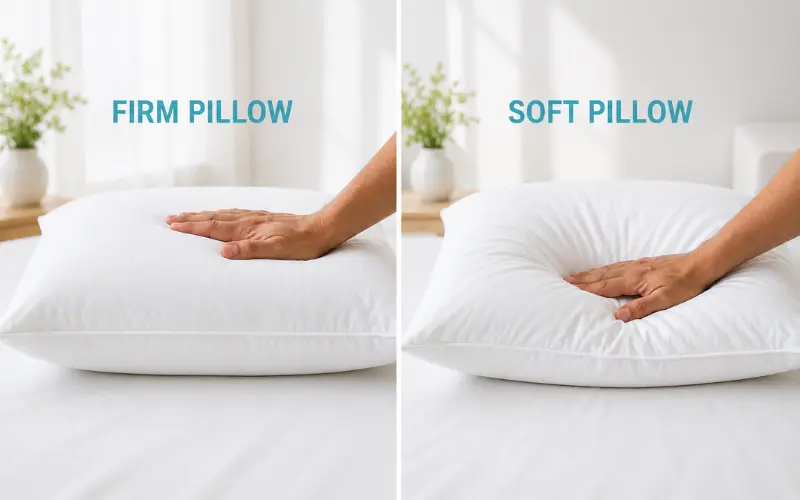
If sleeping without pillows is too much, a very thin and soft pillow is a good compromise. Our firm vs soft pillow comparison tells you which feel is best for each position, and our pillow loft guide details exact height ranges to help you find the lowest loft that works for you.
Signs Pillowless Sleeping Isn’t Working for You
If you observe any of the following after one week, discontinue the experiment:
- Stiffness in the neck that gets worse in the morning.
- New tension headaches or pain spreading down the shoulder.
- Snoring that is louder than usual, as reported by a partner.
- Heartburn at night that didn’t occur before.
- Constantly searching for a comfortable position, restlessness in sleep
Don’t consider failure here as a loss. It typically indicates that your job requires assistance, and the solution is not to not use a pillow, but the correct one. If you think that you have been sleeping with too many pillows, check out our article on how many pillows you should sleep with before purchasing any new pillows. If you’re still experiencing pain in any position, it’s time to see a doctor or physical therapist.
Final Verdict
Therefore, is it better to sleep without a pillow? If you are a committed stomach sleeper, have a good mattress, and don’t have any breathing or reflux problems, it can be a worthwhile experiment with minimal risk. For all others, the pillow’s job is to keep your spine in place, and thus it belongs on the bed.
The best way to play it safe is to test. Stick to the two-week plan, see the results on your neck and back, and make your decision. Your body is unique, and so is your spine, your mattress, and your sleep pattern.
FAQ
It’s good for some stomach sleepers, and it’s bad for nearly everyone else. Stomach sleepers maintain a more neutral head position when they don’t have a pillow. For side and back sleepers, the answer is no, as they lose out on the necessary support and are at risk of neck pain.
Not directly. Good sleep posture is a neutral spine, and a pillow can help or hinder this. Pillowless sleep is only beneficial for stomach sleepers. It will not correct daytime posture habits, which are a result of how you sit, stand, and move.
Only if your pillow is the cause, which is common with an overly thick or worn pillow, and if the pain is due to the position, the mattress, or an underlying condition, taking the pillow away will likely exacerbate the pain. Experiment with pillow loft before taking it out.
Maybe, but not for face-up sleepers. Nothing changes for stomach sleepers, who still push their face into the mattress. A silk or satin pillowcase will minimize skin creasing and friction in all positions and is an easier fix.
Yes. Side sleeping provides the biggest room between head and mattress of all sleeping positions. The neck is bent all night downwards without loft to fill it, causing strain on muscles and joints. Side sleepers should not use a lower loft pillow, but rather a medium to high loft pillow.