Why Do Pillows Turn Yellow (And How to Stop It)
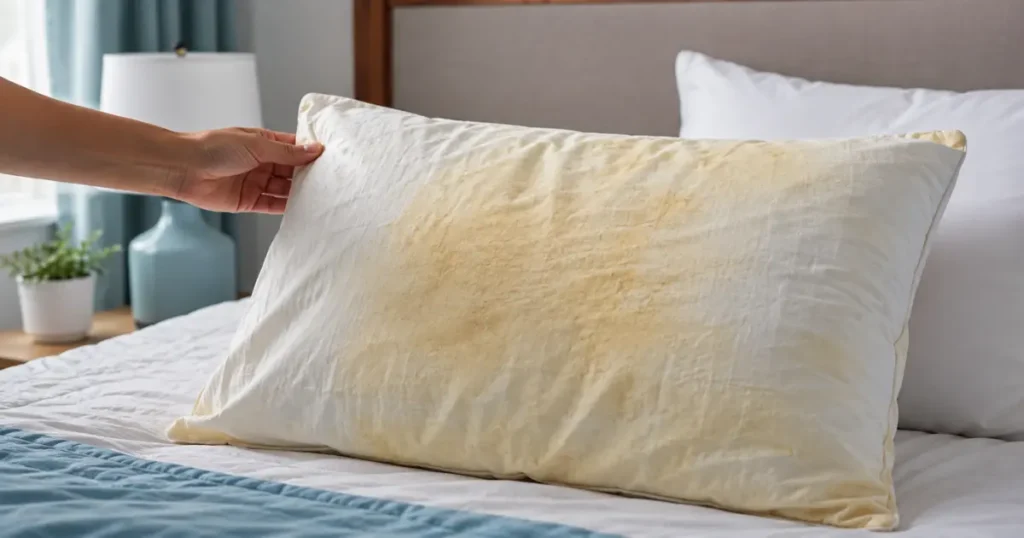
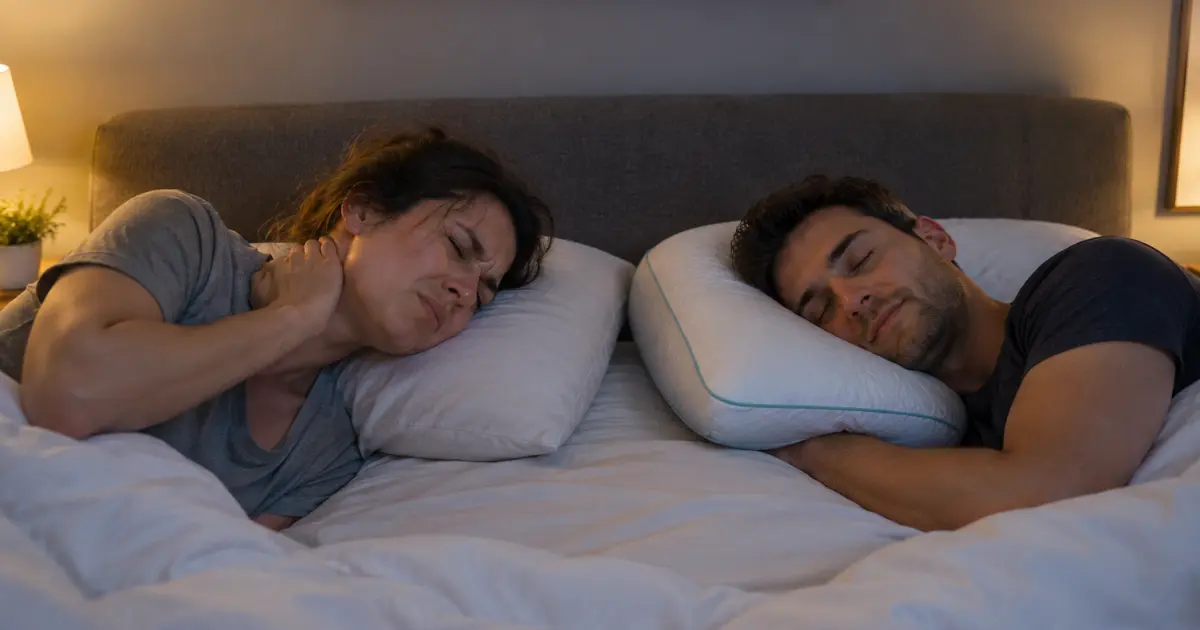
You take the bed linens off, remove the pillowcase, and there it is: a yellow stain on a pillow that was white a year ago. It’s a common occurrence and not a dirty sign. Your pillow absorbs everything that your head releases over the 8 hours you spend sleeping on it, every night.
The positive side of the story is that the causes are predictable and most of them are easy to slow down once you know what’s causing them.
Why do pillows turn yellow?
The moisture from your body seeps into the pillows, and the oils, proteins, and salts they contain oxidize when exposed to air, causing them to turn yellow. Oxidation is a slow chemical reaction with oxygen, which darkens organic residue. A sliced apple browns in the same way. It appears yellow on fabric.
The color is due to the residue’s contents. Sweat leaves behind salts and urea. The skin and scalp secrete oily sebum. Over weeks, these become pigmented by reacting with oxygen, and appear yellow to the eye. Heat and humidity accelerate the reaction, which is why the stain is more likely to form right under your head and neck, where they warm up the most.
A pillowcase will make this slower. Fabric is porous, which means that moisture can seep through and accumulate in the shell and fill below, and you can’t see it building up.
What causes yellow stains on pillows?
There are five causes of most yellowing and they typically combine. Sweat provides the largest source, followed by natural oils from the skin and hair, residual skin- and hair-care products, drool, and water from wet hair or a humid environment. Each one leaves behind residue that oxidizes over time.
Here’s how each contributes:
- Sweat and night sweats. Your body cools down during sleep, and this cooling releases water. Those who sweat a lot, hot sleepers and those in warm rooms leave more behind. As sweat dries, there are salts, proteins, and enzymes that stain.
- Natural body oils. Sebaceous glands in your skin and scalp make sebum, a fatty substance that keeps your skin supple. Sebum readily stains fabrics and quickly turns yellow when oxidized. Buildup of dead skin cells.
- Skin care products and hair products. Lotions and serums that people use at night leave traces on the pillow. Others stain when they come into contact with fabric or even sweat.
- Antiperspirants and perfumes. In many antiperspirants, the aluminum may interact with moisture and fabric, resulting in persistent yellow stains around the neck where it comes in contact with your body.
- Drool and wet hair. Enzymes and the bacteria in your mouth and saliva stain and cause smell. Open mouth sleepers (stomach sleepers and side sleepers) make it worse. If you go to bed with wet hair, you put additional moisture directly into the fill.
If you add moisture to any of these, the fill will remain damp for a longer period of time, allowing for extended periods of oxidation and fostering mold, mildew, and dust mites.
Does Your Body Make it Worse?
Yes. Two people can sleep in the same bed and get ready to wash at the same time, and one pillow will yellow twice as fast. The difference lies in the chemistry of the skin: the amount of sebum it produces, the amount of sweat produced, and the composition of the sweat. It does not mean that you are unclean.
How Sebum and Sweat Affect Your Pillow
Sebum production is quite different for different people. Pillows that have oily skin absorb more residue, which causes them to become stained quickly. Sweat volume is also important, as more moisture means more salt and protein are available to oxidize.
A gene called ABCC11 determines one of these. It determines the type of earwax (wet or dry) and the activity of underarm sweat glands. Those with the wet-type variant excrete more apocrine secretion, which can result in more residue on bedding. This is not a defect; it’s a variation.
Two very unusual conditions will stain sweat. Pigments in the sweat glands cause the sweat and color it truly, which is called chromhidrosis. Pseudochromhidrosis begins as clear sweat which becomes colored on the skin due to bacterial activity. Both are rare, but can cause a rapid or deep staining that is unusual for a few individuals.
|
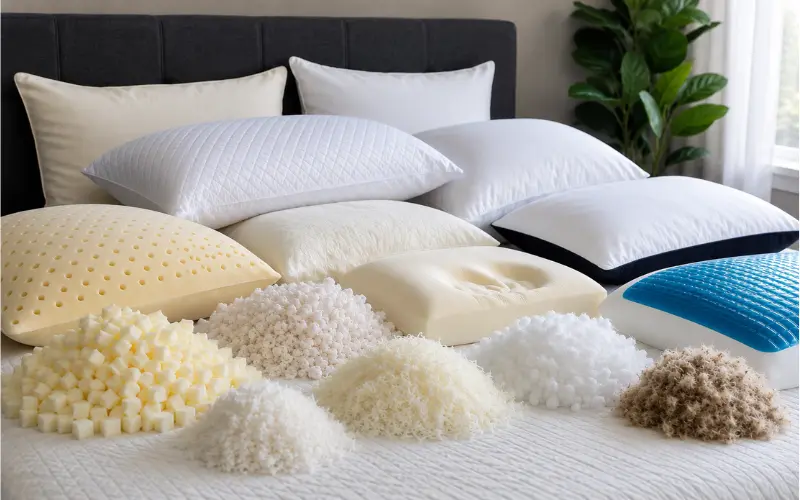
Fill Material |
Main Yellowing Cause |
Reversible with Cleaning? |
|---|---|---|
|
Down / Feather |
Sweat, sebum soaking in |
Often, with the right method |
|
Cotton shell |
Sweat, oils, oxidation |
Often |
|
Memory foam |
Sweat plus foam oxidation (air, UV) |
Partly |
|
Natural latex |
Sweat plus material aging |
Partly |
|
Synthetic / polyester |
Sweat, oils |
Often |
Washing works best on down clusters and cotton shells, as washing removes the stain from fibers. Foam is more complicated: you cannot wash it in the normal cycle, and baking yellowing into the foam makes it permanent. If a foam pillow has gone yellow and smells or feels flat, it’s usually near the end of its life.
Is it safe to sleep on a yellowed pillow?
The light yellow stain is primarily aesthetic and won’t kill you right away. People worry that the deeper discoloration signals a pillow drenched with moisture, oils, dead skin, and bacteria. It encourages the growth of dust mites, allergens, and mildew that can cause breakouts, clogged pores, odor, and poor sleep for those who suffer from allergies or asthma.
Dust mites live in the warm and humid center of an old pillow, eating dead skin cells. They are a common allergen because of their excrement. If the pillow becomes yellow and smelly, or if it doesn’t bounce back, it has gone from cosmetics to wear and tear.
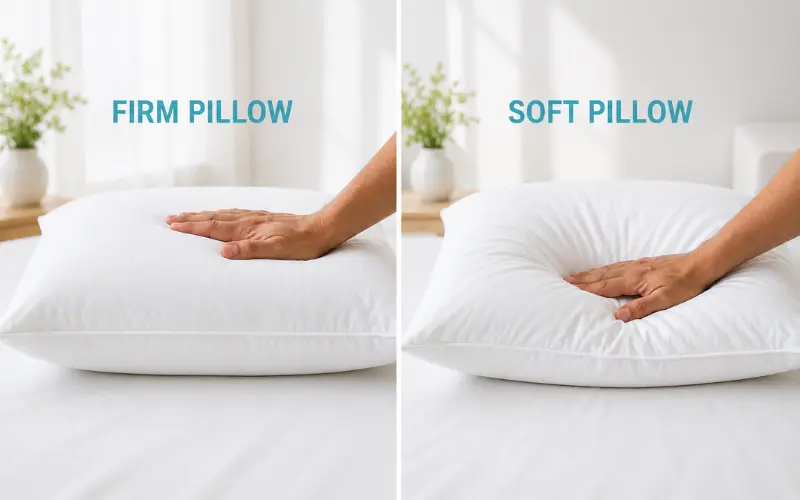
Test: fold the pillow in half. If it remains folded rather than opening up, there is no support. When that happens, you can’t do anything to clean it, and it’s time for you to change your pillow.
Best Homemade Pillow Whitening Solution
The best homemade pillow whitening solution combines 1 cup of baking soda, 1 cup of oxygen-based bleach (or half a cup of hydrogen peroxide), and a tablespoon of mild detergent in a hot wash. This removes oxidized oils and salts without the use of chlorine bleach that can weaken fibers and further yellow them over time.
If the stain is stubborn, create a thick paste of baking soda and hydrogen peroxide for the spot. Apply to the stain, allow it to sit for approximately 30 minutes, and wash as normal. The rinse cycle uses a half cup of distilled white vinegar to remove any residue and to soften the fill. An enzymatic detergent provides additional strength for protein stains from drool and sweat.
Only use on washable fills: down, feather, cotton, and synthetic. Avoid placing on memory foam and always refer to the care label.
How to Prevent Pillows from Turning Yellow
The key to prevention is to avoid moisture and oil getting into the fill. The best first step is to use a waterproof pillow protector, followed by frequently changing your pillowcase, sleeping with dry hair, and allowing sweat and oils to dry before they settle. Scrubbing was never as effective as barriers.
Practical steps that work:
- Cover the pillow with a waterproof pillow protector. Search for a tight weave (microns) that is not only breathable but also liquid- and allergen-resistant. It rushes over the shell and absorbs the impact rather than you do.
- Wash pillowcases weekly. Sheets and pillowcases absorb the first layer of sweat and oil. Sheets and pillowcases absorb the first layer of sweat and oil. Less residue will get to the pillow if linens are clean.
- Keep hair and skin dry while sleeping. Allow hair to air dry completely and leave in heavy night creams for a couple of minutes before going to bed.
- Air the pillow out. You can remove moisture between washes with a ventilated spot or a bit of indirect sunlight.
- If hot, choose a cooler surface. A silk pillowcase, cooling cover, or a pillowcase with a phase change material removes heat and reduces the initial sweat that begins the cycle.
Combine these habits with the whitening solution above as soon as a stain appears, and most pillows will last much longer.
Conclusion
Now you know why pillows turn yellow: it’s your body’s own moisture and oils oxidizing over time, sped up by heat, humidity, skincare, and how much your skin and sweat glands produce. There is some chemistry that you can’t change, but for the most part, you can slow it down to a crawl by using a waterproof protector, clean cases, and dry hair at night.
If a pillow has yellowed beyond cleaning or lost its shape, it’s time to replace it with one that will last longer and stay fresher and cooler for longer.
FAQ
No. Body oils and sweat cause the stains. The problem is that older pillows can harbor dust mites and bacteria that can cause allergies. Change the pillow every couple of months to freshen it up.
A waterproof pillow protector prevents sweat and oils from absorbing into the pillow. Wash both weekly and use under a cotton pillowcase.
Wash on gentle cycle using mild detergent in a washing machine. Apply a baking soda paste to stains before laundering. Dry on low heat with dryer balls until dry, as damp down can become mildewed.
Yes, as long as it’s clean. If it still smells or stains after washing, or if the pillow is more than 2 years old, replace it.